
The night I finally understood how bad the smell had become was not dramatic at all.
No smoke alarms. No burnt pan disaster. Nothing cinematic.
Just my sister standing near the front door holding a birthday cake box, pausing for half a second too long before saying, “You cooked fish?”
I hadn’t. Not that day.
What she smelled was three nights old.
That strange stale layer of cooking smoke that settles into an apartment quietly, then refuses to leave. Not the warm comforting smell of food while dinner is happening. This was different. Sour. Oily. Heavy around the curtains. Somehow trapped inside the walls themselves.
And the embarrassing part is that I had stopped noticing it.
You become blind to your own home in strange ways. The laundry chair becomes furniture. The dripping tap becomes background music. The kitchen smell becomes “just how the apartment smells.”
Until somebody else walks in.
[IMAGE: flat illustration style]
At the time, I was living in a small second-floor apartment with terrible ventilation and one tiny kitchen window that opened directly toward another building wall. Cooking anything smoky basically meant seasoning the entire house. Especially during monsoon season when opening windows turned the floors sticky and invited mosquitoes large enough to pay rent.
I tried to fix the smell the lazy way first.
Candles.
Then room sprays.
Then those plug-in fragrance things that smell aggressively “ocean fresh” for about forty minutes before turning weirdly chemical. Somehow the apartment ended up smelling like burnt garlic mixed with fake lemon shampoo.
Worse than before.
The strange thing about cooking smoke is how emotional it becomes after a while. People talk about it like a cleaning issue, but it slowly changes how your home feels. You stop inviting people over spontaneously. You become hyperaware of your clothes absorbing kitchen smells. You notice guests slightly adjusting themselves farther from the kitchen without realizing it.
One evening I sat on the sofa and realized even my clean pillowcases smelled faintly like old frying oil.
That was the point where I stopped buying air fresheners and started trying to understand what was actually happening inside the apartment.
Because covering smells and removing smells are completely different things.
Most homes dealing with lingering cooking smoke have the same hidden problem: tiny airborne grease particles. Especially from frying, tempering spices, grilling, or cooking at high heat.
The smell itself isn’t just “air.” It sticks.
To curtains.
Cabinets.
Fabric dining chairs.
Ceiling paint.
Even cardboard boxes somehow.
And once oily particles settle into soft surfaces, spraying perfume into the room basically creates scented smoke residue. It doesn’t solve anything. Sometimes it makes the air feel heavier because fragrance molecules mix with trapped grease particles.
I learned this accidentally after wiping the top of my refrigerator one afternoon.
The cloth came back yellow.
That layer wasn’t dust. It was cooking residue floating through the apartment for months.
Honestly, that realization made me uncomfortable.
Not because homes need to be perfect. Real homes smell like life sometimes. But there’s a difference between a lived-in kitchen and air that feels stale all the time.
So I stopped trying to “freshen” the apartment and started trying to remove the residue itself.
The first thing that genuinely helped was something embarrassingly simple.
Air movement.
Not fragrance. Not products. Actual moving air.
For weeks I had been opening one kitchen window and expecting magic. But smoke needs cross-ventilation to leave properly. One open window often just traps warm smoky air inside.
Now I open the kitchen window and the farthest opposite window at the same time, even if only for fifteen minutes. The difference was immediate. Especially right after cooking.
I also learned something most people ignore: timing matters more than duration.
If smoke sits for an hour before ventilation starts, oily particles have already settled everywhere. Ventilation works best during cooking and immediately after, not later when the smell becomes noticeable.
That changed my entire routine.
When cooking smoky food now, I start airflow before turning on the stove.
Simple. But weirdly effective.
The second thing that helped was washing the things I kept forgetting existed.
Not floors.
Fabric.
The apartment smell improved more after washing curtain panels than after mopping every room combined.
Smoke clings to fabric quietly because fabric traps oils. Curtains especially. They hang near kitchens collecting grease for months while looking completely normal.
Same with:
- Sofa covers
- Cushion covers
- Table runners
- Kitchen towels
- Bath towels near open kitchens
- Rugs close to cooking areas
One Saturday I washed all the soft fabrics in the apartment and came back from the laundry room genuinely shocked. The place smelled lighter. Not artificially scented. Just… less tired.
[IMAGE: flat illustration style]
There’s also this awkward truth nobody mentions enough:
Sometimes the smell is coming from surfaces that look clean.
Kitchen cabinets were a huge one for me.
I used to wipe visible spills and assume the cabinets were fine. But smoke residue forms thin greasy films over time, especially on upper cabinets near the stove. You only notice when cleaning with warm water and mild soap suddenly turns the cloth brown.
The top edges were disgusting.
Same with ceiling fans.
Ceiling fans quietly spread cooking particles around the house like little distribution systems. I cleaned mine after months of ignoring it and realized why the bedroom somehow smelled faintly like onions even with the door closed.
The fan blades were coated.
And honestly, this is where many “how to remove cooking smell from home” articles become unrealistic.
They act like everyone has giant airy kitchens with perfect exhaust systems and unlimited time.
A lot of people are cooking in tiny apartments with one exhaust fan that sounds like a tractor but barely moves air. Some people cook multiple meals daily for families in humid climates where smells linger longer. Some homes have open kitchens connected directly to living rooms where every frying session perfumes the sofa automatically.
Real homes are complicated.
Especially smaller ones.
One mistake I kept making was trying to eliminate smells immediately after cooking strong foods.
That panic-cleaning energy.
Spray something. Burn incense. Open random windows. Wipe counters aggressively.
But some smells naturally fade if moisture and grease are controlled properly. The real issue is trapped residue, not temporary food aroma.
There’s a difference between:
“Dinner happened here.”
And:
“This apartment permanently smells cooked.”
The third thing that genuinely worked surprised me because it sounded too simple to matter.
Boiling water with lemon peels.
Not as a fragrance trick.
As steam.
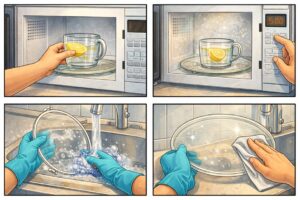
I’d simmer lemon peels or plain water for about fifteen minutes after particularly smoky cooking sessions. The moisture helped loosen stale air slightly, especially when paired with ventilation. Sometimes I added cloves. Sometimes nothing.
The apartment didn’t smell “perfumed.” It just stopped smelling stale.
But here’s the important part most people miss: steam alone won’t solve smoke buildup if greasy residue remains on surfaces.
That’s why air fresheners fail so often.
They target scent perception, not contamination.
The smell survives because microscopic grease particles are still physically present inside the room.
That’s also why smoke smells stronger during hot afternoons. Heat reactivates oils trapped in surfaces and fabrics.
I noticed this during summer when the apartment smelled worst around 3 PM even before cooking anything.
Another thing nobody warned me about was how much cooking habits affect lingering smoke.
Certain cooking styles create dramatically more airborne oil.
Deep frying obviously.
But also:
- Reheating oil repeatedly
- Cooking on excessively high heat
- Burning spices accidentally
- Using old oil
- Letting pans smoke before adding ingredients
There was one month where I kept wondering why the apartment suddenly smelled heavier than usual.
Turns out I had started rushing cooking after work. High flame constantly. Oil overheating repeatedly. Tiny smoke clouds every evening.
The kitchen looked clean.
The air wasn’t.
Now I cook slightly slower and use lids more often. Not because I became disciplined. Mostly because I got tired of the apartment smelling exhausted all the time.
And there’s definitely a social side to this problem people rarely admit openly.
You start noticing yourself before meeting others.
Smelling your shirt collar.
Wondering if guests can tell yesterday’s dinner involved frying.
Lighting candles before people visit like you’re covering evidence.
At one point I became convinced my backpack smelled like cooking oil because it sat near the kitchen table.
Maybe it did.
Homes affect confidence more than people realize.
Especially when you work remotely or spend long hours indoors.
[IMAGE: flat illustration style]
One particularly humbling moment happened when a friend casually said, “Your building corridor always smells like someone’s cooking.”
He meant nothing by it.
But I suddenly realized apartment smells spread farther than we think. Cooking smoke doesn’t stay politely inside kitchens. It travels under doors, into fabrics, into elevators, into shared hallways.
After that, I became more proactive immediately after cooking instead of waiting until bedtime to deal with ventilation.
Another genuinely effective thing was replacing the kitchen exhaust filter.
I had ignored it for an embarrassing amount of time because the exhaust fan technically still worked. But airflow had become pathetic because grease buildup was choking it slowly.
The difference after cleaning it was immediate.
Less lingering haze.
Less oily smell the next morning.
People underestimate maintenance because appliances fail gradually. You adapt slowly to worsening airflow until bad air becomes normal.
Same with refrigerator drip trays, sink drains, and trash bins. Sometimes lingering cooking smell isn’t even airborne smoke anymore. It becomes old food residue hidden nearby.
One thing I refuse to do now is over-fragrance the home.
Heavy room perfumes create this strange “hotel lobby covering a kitchen accident” feeling. Your nose gets confused, but the stale layer underneath remains.
A clean-smelling home usually doesn’t smell strongly like anything.
That took me years to understand.
The nicest homes I’ve visited never smelled aggressively floral or artificial. They just smelled neutral. Airy. Calm.
That’s usually a sign that residue is being removed regularly instead of masked.
And honestly, there are still days my apartment smells like cooking.
Especially after frying onions late at night or making smoky tadka when the weather is humid and still.
Real homes aren’t odorless laboratories.
But now the smell leaves.
That’s the difference.
It no longer feels trapped inside the walls for days. Guests no longer pause awkwardly at the entrance trying to identify what happened in the kitchen three dinners ago.
Most importantly, the apartment feels lighter psychologically.
Less stale.
Less sticky.
Less quietly embarrassing.
And the solution turned out to be far less glamorous than all the products being marketed for it.
Mostly:
- ventilation
- fabric cleaning
- grease removal
- exhaust maintenance
- reducing smoke at the source
- patience
Not synthetic lavender explosions.
Not “mountain breeze” aerosols.
Definitely not spraying perfume directly into kitchen air like I once did in desperation. That only created an unforgettable smell resembling burnt candy and chemicals. My curtains carried that mistake for weeks.
Realistically, removing cooking smoke smell from home fast without air fresheners isn’t about making your home smell artificially clean.
It’s about helping stale air leave before it settles into everything you own.
And once you notice the difference between covered smells and actually clean air, it becomes hard to go back.
FAQs
Why does cooking smell stay in my house for days?
Cooking smells linger because airborne grease and smoke particles settle into fabrics, walls, cabinets, and ceilings. Without proper ventilation and cleaning, the odor keeps reactivating, especially in warm or humid conditions.
Do air fresheners remove cooking smoke smell?
No. Most air fresheners only mask odors temporarily. In some cases, they mix with oily smoke residue and make the air feel heavier or more artificial.
What absorbs cooking smells naturally?
Ventilation works best, but washing fabrics, cleaning greasy surfaces, and using steam from simmering water with lemon peels can help reduce stale odors naturally.
Why does my apartment still smell after cleaning the kitchen?
The smell is often trapped in curtains, sofas, rugs, ceiling fans, or exhaust filters — not just countertops and floors. Soft surfaces and hidden grease buildup are common causes.
What is the fastest way to remove cooking smoke smell from a small apartment?
Create cross-ventilation immediately during and after cooking, clean greasy surfaces with warm soapy water, wash nearby fabrics, and check whether your exhaust fan filter is clogged or ineffective.
“From what I’ve observed in many households, including my relatives’ homes, small cleaning habits are often overlooked until the problem becomes noticeable. For example, areas like kitchen corners, drains, or storage spaces are usually ignored during regular cleaning routines.”
“However, I’ve seen that simple and consistent cleaning practices—using basic home methods—can prevent buildup, reduce damage, and keep the space well-maintained. In the long run, these small efforts help avoid bigger issues and unnecessary repair costs.”
Research Sources
World Health Organization (WHO)https://www.who.int/publications/i/item/9789289041683
Centers for Disease Control and Prevention (CDC)
https://www.cdc.gov/healthyhomes
United States Environmental Protection Agency (EPA)
https://www.epa.gov/indoor-air-quality-iaq