
Learn how to remove grease from kitchen cabinets naturally using simple home remedies. Step-by-step methods, real-life stories, and prevention tips for lasting results.
Introduction
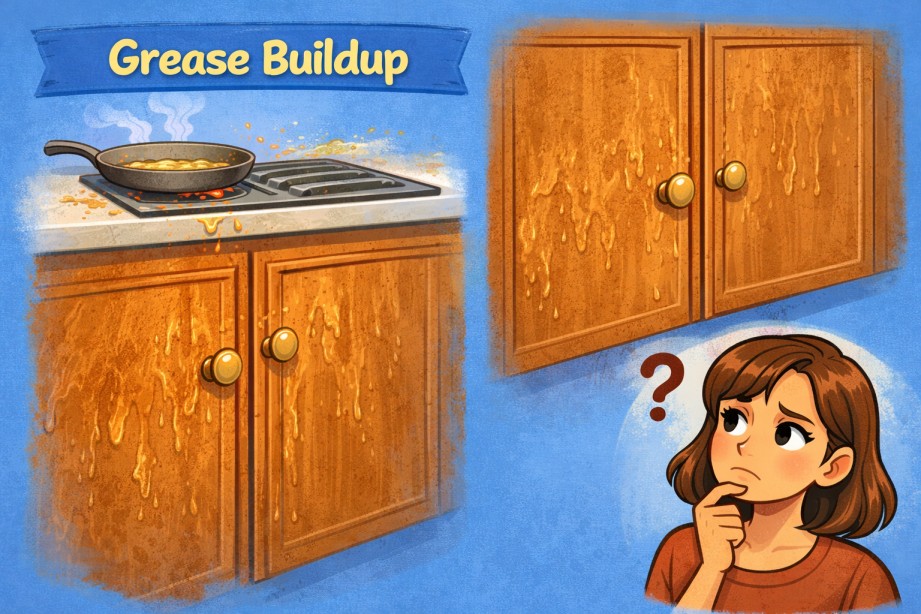
Kitchen cabinets are exposed to grease every single day, often without us realizing it. Cooking fumes, oil splatter, steam, and airborne grease slowly settle on cabinet surfaces, especially those near the stove. Over time, this buildup creates a sticky layer that attracts dust, darkens cabinet color, and becomes difficult to clean.
Many homeowners delay cleaning cabinets because grease doesn’t always look obvious at first. When it finally becomes visible, the surface feels tacky, smells stale, and regular wiping no longer works. Chemical degreasers may remove grease quickly, but they can damage cabinet finishes, leave residues, and are not ideal for long-term use in food areas.
The good news is that you can remove grease from kitchen cabinets naturally using simple, safe ingredients found at home. These methods work gradually but effectively, protect cabinet finishes, and are suitable for regular maintenance. This guide explains why grease builds up, how to clean it step by step, and how real homes have solved the problem without harsh chemicals.
Why Kitchen Cabinets Collect Grease
Grease buildup happens due to a combination of everyday kitchen activities:
- Oil vapors released during cooking
- Steam carrying grease particles upward
- Poor ventilation or clogged chimneys
- Infrequent cabinet cleaning
- Cabinets placed close to cooking areas
Over time, grease mixes with dust and moisture, forming a stubborn layer that hardens if ignored.
Cabinet Areas Most Affected by Grease
Some cabinet surfaces need more attention than others:
- Cabinets above or beside the gas stove
- Cabinet handles and edges
- Corners near the chimney
- Top surfaces of upper cabinets
Targeting these areas first makes cleaning easier.
Natural Ingredients Needed
You don’t need special products. These common household items are sufficient:
- Baking soda
- White vinegar or lemon juice
- Warm water
- Mild dishwashing liquid
- Microfiber cloth
- Soft sponge or old toothbrush
- Small bowl
Avoid abrasive scrubbers that can damage cabinet surfaces.
Step-by-Step: How to Remove Grease From Kitchen Cabinets Naturally
Step 1: Dry Wipe Loose Dust First
Before wet cleaning, wipe cabinet surfaces with a dry cloth to remove dust. This prevents grease from spreading while cleaning.
Step 2: Prepare a Mild Natural Cleaning Solution
Mix:
- Warm water
- A few drops of mild dishwashing liquid
Dip a cloth, wring it well, and wipe the cabinet gently. This removes surface-level grease safely.
Step 3: Use Baking Soda for Sticky Grease
For stubborn spots:
- Make a paste using baking soda and water
- Apply gently on greasy patches
- Rub lightly with a soft cloth or toothbrush
Baking soda breaks down grease without harming most finishes.
Step 4: Vinegar or Lemon for Final Cleaning
After removing grease:
- Wipe cabinets with diluted vinegar or lemon water
- This helps cut residue and removes lingering odors
Do not oversaturate wooden cabinets.
Step 5: Dry Immediately
Always wipe cabinets dry with a clean cloth. Moisture left behind can damage finishes and attract more dirt.
Safety Tips While Cleaning Cabinets
- Test any solution on a hidden area first
- Avoid excessive water on wooden cabinets
- Do not use steel scrubbers
- Ensure good ventilation during cleaning
Common Mistakes to Avoid
- Using strong chemical degreasers frequently
- Scrubbing aggressively
- Ignoring cabinet handles and edges
- Cleaning only when grease becomes visible
Real-Life Home Stories: Natural Grease Removal
Story 1: Nitin Agarwal – Indore, Madhya Pradesh
Nitin Agarwal noticed his kitchen cabinets turning dull and sticky near the stove. Regular wiping didn’t help, and chemical sprays affected the cabinet polish. He switched to warm water with mild dish soap and baking soda for stubborn spots. He also started wiping cabinets weekly instead of waiting months. Within a few weeks, the cabinets looked cleaner and no longer felt sticky. His experience showed that gentle, regular cleaning works better than harsh products.
Story 2: Radhika Menon – Palakkad, Kerala
Radhika Menon cooks traditional meals daily, involving a lot of tempering and frying. Grease buildup on upper cabinets became noticeable over time. She cleaned the cabinets using baking soda paste and followed it with lemon water wiping. She also focused on keeping the kitchen chimney clean to reduce grease spread, similar to the approach explained in
how to clean chimney filter at home without chemicals step by step
After consistent care, grease buildup reduced significantly.
Story 3: Sandeep Verma – Rohini, Delhi
Sandeep Verma found that grease buildup on cabinet handles made them dark and sticky. Instead of deep cleaning everything at once, he started cleaning handles weekly using vinegar and water. He also improved kitchen ventilation. Over time, the grease stopped accumulating heavily, and cabinets stayed cleaner for longer. Small habits made maintenance easier.
Do vs Avoid: Cabinet Grease Care
| Do | Avoid |
|---|---|
| Clean lightly every week | Waiting for heavy buildup |
| Use mild natural cleaners | Using harsh chemicals |
| Dry surfaces immediately | Leaving moisture |
| Clean handles often | Ignoring touchpoints |
Preventing Grease Buildup in the Future
- Clean cabinets near the stove weekly
- Keep chimney filters clean to reduce airborne grease
- Improve kitchen ventilation
- Wipe spills and splatters immediately
Maintaining kitchen appliances also helps reduce grease circulation, as discussed in
gas stove burner cleaning at home – step-by-step natural guide
Kitchen Grease and Overall Home Hygiene
Grease buildup doesn’t stay limited to cabinets. It spreads to walls, furniture, and nearby surfaces if not managed. Keeping grease under control also protects wooden cabinets, similar to the principles shared in
wooden furniture care tips to prevent damage and extend lifespan
FAQs
1. How often should kitchen cabinets be cleaned?
Light wiping weekly and deeper cleaning once a month is ideal.
2. Is vinegar safe for wooden cabinets?
Yes, when diluted and used sparingly, followed by drying.
3. Can baking soda damage cabinet finish?
Baking soda is mild but should be used gently, not scrubbed aggressively.
4. Why does grease return quickly?
Poor ventilation and infrequent cleaning allow grease to settle again.
5. Do natural methods take longer to work?
They may take slightly longer but are safer and protect cabinet surfaces.
Simple Summary
Grease on kitchen cabinets is unavoidable, but it doesn’t require harsh chemicals to remove. By using baking soda, mild soap, vinegar, and regular cleaning habits, you can remove grease naturally and prevent it from returning. Real-life home experiences show that consistency matters more than strong cleaners.
With simple, natural methods and timely care, your kitchen cabinets can stay clean, hygienic, and well-maintained for years.
Safety note: If you’re unsure or uncomfortable performing any home maintenance task mentioned in this article, it’s safer to consult a qualified professional.