

Learn practical washing machine care tips to prevent rust. Simple maintenance methods to protect your machine from moisture damage and extend its lifespan.
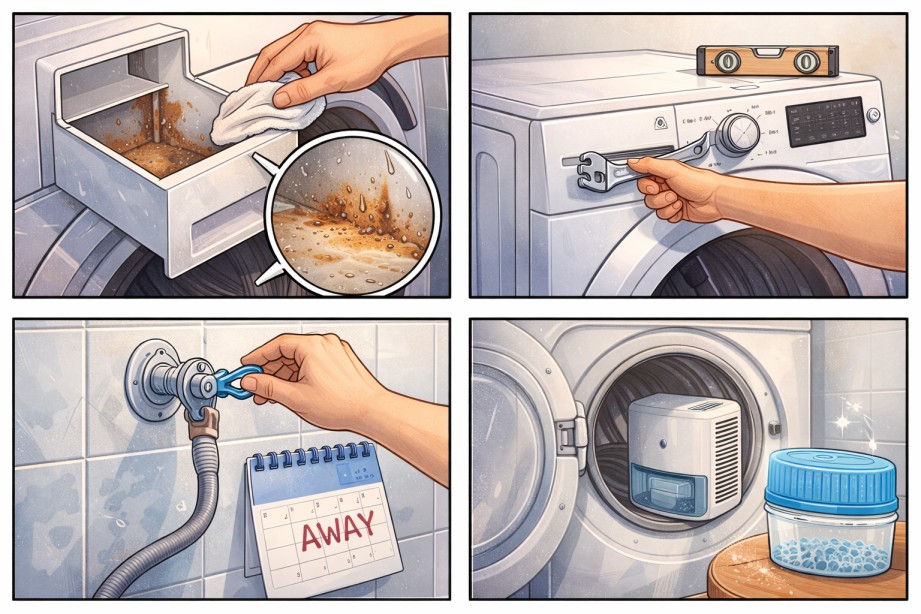
Washing Machine Care Tips to Prevent Rust
Introduction
Washing machines are one of the most frequently used appliances in modern homes. They save time and effort by making laundry easier and faster. However, like many metal appliances, washing machines are also vulnerable to rust if they are not maintained properly.
Rust usually forms when metal surfaces are exposed to water and air for long periods. Since washing machines regularly come into contact with water, detergent, and humidity, small rust spots can appear on the body, drum edges, or base of the machine over time.
If rust is ignored, it may spread gradually and weaken the appliance structure. It can also stain clothes or damage the machine’s appearance. The good news is that with a few simple maintenance habits, you can easily prevent rust and keep your washing machine in good condition for many years.
In this guide, you will learn washing machine care tips to prevent rust, including easy cleaning habits, moisture control methods, and practical maintenance tips suitable for Indian households.
Understanding Why Washing Machines Develop Rust
Rust forms when iron or steel reacts with oxygen and moisture. Washing machines are particularly exposed to moisture because of constant water usage and detergent residues.
Common reasons for rust formation include:
- Water spills left on the machine body
- Poor ventilation around the appliance
- Scratches on the outer metal surface
- Hard water deposits
- Placing the machine in damp areas
Machines placed in balconies, bathrooms, or near leaking taps may experience rust problems more frequently.
Regular cleaning also helps maintain appliance hygiene. You may find this guide useful:
How to Clean Washing Machine Drum at Home Naturally
https://caringforyourhome.com/how-to-clean-washing-machine-drum-at-home-naturally/
Key Benefits of Preventing Rust on Washing Machines
Taking preventive steps can extend the life of your appliance.
- Protects the metal body from corrosion
- Prevents rust stains on clothes
- Improves machine durability
- Maintains a clean appearance
- Reduces repair costs
- Keeps the laundry area hygienic
Regular care helps the washing machine perform efficiently for a longer time.
Featured Snippet: Quick Tips to Prevent Washing Machine Rust
- Wipe the machine dry after every wash cycle.
- Keep the machine in a well-ventilated area.
- Avoid leaving water on the machine body.
- Clean detergent residue regularly.
- Use a protective cover when the machine is not in use.
- Check for scratches and treat rust spots early.
These simple habits help prevent rust formation.
Practical Washing Machine Care Tips
1. Keep the Machine Dry
After each wash cycle, water droplets may remain on the machine body or lid.
Use a dry cloth to wipe the machine surface to prevent moisture buildup.
Dry surfaces reduce the chances of rust formation.
2. Improve Ventilation Around the Machine
Proper airflow helps reduce humidity around the appliance.
Place the washing machine in a location where air can circulate easily.
Avoid placing it directly against walls without space for ventilation.
Moisture buildup in laundry areas can also affect nearby walls. You may find this guide helpful:
How to Dry Damp Walls at Home During Rainy Season
https://caringforyourhome.com/how-to-dry-damp-walls-at-home-during-rainy-season/
3. Clean Detergent and Water Residue
Detergent and hard water residue can accumulate on machine surfaces.
Clean the exterior with a soft cloth and mild cleaning solution once a week.
This prevents corrosion and maintains cleanliness.
4. Use a Protective Machine Cover
Using a washing machine cover helps protect it from dust and moisture.
However, ensure the cover is removed occasionally to allow airflow.
Continuous covering without ventilation can trap moisture.
5. Inspect for Small Rust Spots
Sometimes small scratches or rust spots appear on the machine body.
Treat them early by:
- Cleaning the spot
- Drying the area
- Applying rust remover or protective paint if necessary
Early treatment prevents rust from spreading.
6. Avoid Water Leakage Around the Machine
Water leaks from pipes or taps can increase humidity near the washing machine.
Regularly check:
- Water inlet pipe
- Drain pipe
- Nearby plumbing connections
Fixing leaks quickly helps prevent rust and water damage.
7. Maintain a Clean Laundry Area
A clean laundry space reduces moisture and dirt accumulation.
Keep the floor dry and ensure proper drainage.
Maintaining overall home hygiene also helps prevent appliance damage.
You may also find these guides helpful:
How to Remove Lint From Washing Machine Filter at Home Safely
https://caringforyourhome.com/how-to-remove-lint-from-washing-machine-filter-at-home-safely/
How to Reduce Bad Smell From Washing Machine Naturally at Home
https://caringforyourhome.com/how-to-reduce-bad-smell-from-washing-machine-naturally-at-home/
Bathroom Cleaning Checklist for Busy People (Daily, Weekly, Monthly Tasks)
https://caringforyourhome.com/bathroom-cleaning-checklist-for-busy-people-easy-daily-weekly-monthly-tasks/
Summer Home Maintenance Checklist to Keep Your Home Cool and Damage Free
https://caringforyourhome.com/summer-home-maintenance-checklist-to-keep-your-home-cool-and-damage-free/
Monsoon Home Care Tips to Prevent Dampness Naturally
https://caringforyourhome.com/monsoon-home-care-tips-to-prevent-dampness-naturally/
Comparison Table: Rust Prevention Methods
| Method | Effectiveness | Cost | Best For |
|---|---|---|---|
| Wiping machine dry | High | Free | Daily maintenance |
| Improving ventilation | High | Free | Humid areas |
| Protective machine cover | Medium | Low | Dust protection |
| Early rust treatment | High | Low | Small rust spots |
Combining these habits provides the best protection.
Real-Life Example from an Indian Home
Rajesh from Hyderabad placed his washing machine on the balcony where it was frequently exposed to humidity during the monsoon season.
After a few months, small rust spots began appearing near the machine base.
He started wiping the machine dry after each wash and placed a protective cover on it when not in use. Within a few weeks, the rust problem stopped spreading and the machine remained in better condition.
Personal Experience:
In my home, the washing machine once developed small rust marks near the lid because water droplets were left on the surface after washing. After making it a habit to wipe the machine dry and improve airflow around it, the rust problem stopped and the appliance stayed cleaner.
Common Mistakes to Avoid
Ignoring Water Spills
Leaving water on the machine surface increases rust risk.
Placing Machine in Damp Areas
Machines placed in humid areas may develop rust faster.
Covering the Machine Without Ventilation
Continuous covering can trap moisture.
Ignoring Small Rust Spots
Early rust should be treated quickly before it spreads.
Expert Tips for Washing Machine Maintenance
Experts recommend a few simple practices.
Keep machine slightly away from walls
This improves airflow around the appliance.
Run cleaning cycles regularly
This helps maintain internal hygiene.
Check water pipes monthly
Loose or leaking pipes can increase moisture.
Keep the laundry area dry
Proper drainage prevents humidity buildup.
Pros and Cons of Rust Prevention Methods
| Pros | Cons |
|---|---|
| Extends appliance lifespan | Requires regular attention |
| Prevents rust stains on clothes | Some methods need frequent monitoring |
| Improves machine appearance | Covers may trap moisture if misused |
| Reduces repair costs | Needs consistent maintenance |
Frequently Asked Questions
1. Why does rust form on washing machines?
Rust forms when metal surfaces remain exposed to water and air for long periods.
2. How can I prevent rust on my washing machine?
Keeping the machine dry, ensuring ventilation, and cleaning regularly help prevent rust.
3. Can rust damage the washing machine?
Yes. If rust spreads, it can weaken the metal body and affect durability.
4. Is it safe to keep the washing machine in the bathroom?
It is possible, but proper ventilation and dryness are important.
5. How often should the washing machine exterior be cleaned?
Cleaning once a week is usually sufficient.
6. Can rust stains affect clothes?
Yes. Rust flakes or stains can transfer to clothing during washing.
Conclusion
Rust formation on washing machines is a common issue caused by constant exposure to water, humidity, and poor maintenance habits. If ignored, rust can damage the appliance and affect its lifespan.
Fortunately, preventing rust is simple. By keeping the machine dry, improving ventilation, checking for leaks, and treating small rust spots early, you can protect your washing machine from corrosion.
Regular cleaning and proper placement of the appliance also help maintain its efficiency and appearance.
With these simple care tips, you can ensure that your washing machine continues to operate smoothly and remains rust-free for many years.
References
World Health Organization (WHO) – Indoor Dampness and Health
https://www.who.int/publications/i/item/9789289041683
United States Environmental Protection Agency (EPA) – Moisture Control in Homes
https://www.epa.gov/mold/mold-course-chapter-2
Centers for Disease Control and Prevention (CDC) – Mold and Moisture Control
https://www.cdc.gov/mold/control_mold.htm
“From what I’ve observed in many households, including my relatives’ homes, small cleaning habits are often overlooked until the problem becomes noticeable. For example, areas like kitchen corners, drains, or storage spaces are usually ignored during regular cleaning routines.”
“However, I’ve seen that simple and consistent cleaning practices—using basic home methods—can prevent buildup, reduce damage, and keep the space well-maintained. In the long run, these small efforts help avoid bigger issues and unnecessary repair costs.”
Research Sources
World Health Organization (WHO)https://www.who.int/publications/i/item/9789289041683
Centers for Disease Control and Prevention (CDC)
https://www.cdc.gov/healthyhomes
United States Environmental Protection Agency (EPA)
https://www.epa.gov/indoor-air-quality-iaq