
Introduction
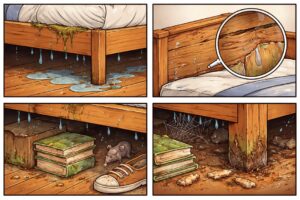
The monsoon season brings much-needed relief from summer heat, but it also introduces high humidity and dampness inside homes. During this time, wooden furniture can easily absorb moisture from the air, which may lead to swelling, mold growth, unpleasant smells, and even structural damage.
In many Indian homes, wooden furniture such as beds, cupboards, dining tables, and cabinets are used daily. Without proper care during the rainy season, the moisture in the air can slowly affect the quality and appearance of these items. You may notice signs like sticky surfaces, fungal spots, or doors that do not close properly.
Fortunately, protecting wooden furniture during monsoon does not require complicated maintenance. A few simple habits and preventive steps can help keep your furniture dry, clean, and long-lasting.
In this guide, you will learn how to protect wooden furniture during monsoon, along with practical tips, natural moisture control methods, and simple maintenance techniques suitable for Indian households.
Understanding How Monsoon Moisture Affects Wooden Furniture
Wood is a natural material that absorbs moisture from the surrounding air. During the monsoon season, humidity levels increase significantly, which can cause wood to expand.
When furniture absorbs excess moisture, several problems may appear:
- Swelling or warping of wood
- Mold or fungus growth on surfaces
- Musty smell from cupboards or storage areas
- Difficulty in opening or closing drawers
- Peeling polish or discoloration
Rooms with poor ventilation or damp walls are more likely to affect wooden furniture.
Maintaining a dry indoor environment is essential. You may find these tips useful:
Monsoon Home Care Tips to Prevent Dampness Naturally
https://caringforyourhome.com/monsoon-home-care-tips-to-prevent-dampness-naturally/
How to Dry Damp Walls at Home During Rainy Season
https://caringforyourhome.com/how-to-dry-damp-walls-at-home-during-rainy-season/
Key Benefits of Protecting Wooden Furniture During Monsoon
Taking preventive measures during the rainy season offers several advantages.
- Extends the lifespan of wooden furniture
- Prevents mold and fungus growth
- Maintains the shine and appearance of wood
- Avoids unpleasant damp smell in rooms
- Reduces chances of expensive repairs
Proper care ensures your furniture stays strong and attractive for years.
Featured Snippet: Quick Tips to Protect Wooden Furniture During Monsoon
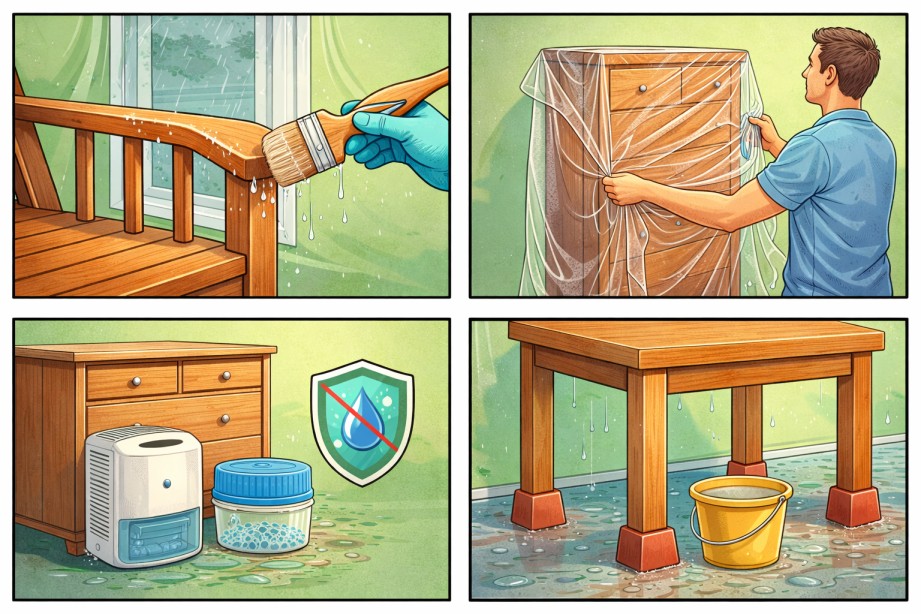
- Keep rooms well ventilated.
- Avoid placing furniture against damp walls.
- Use moisture absorbers in cupboards.
- Wipe furniture regularly with a dry cloth.
- Apply protective wood polish.
- Allow sunlight to enter the room whenever possible.
These simple habits help reduce moisture damage to wooden furniture.
Practical Ways to Protect Wooden Furniture
1. Improve Indoor Ventilation
Good ventilation helps reduce humidity levels inside the house.
You can improve airflow by:
- Opening windows during dry periods
- Using ceiling fans
- Allowing fresh air circulation in rooms
Better airflow prevents moisture from settling on wooden surfaces.
2. Keep Furniture Away From Damp Walls
Walls often become slightly damp during monsoon, especially in older buildings.
Placing furniture directly against these walls can cause moisture absorption.
Maintain a small gap of a few inches between furniture and walls to allow air circulation.
If walls show signs of dampness, you may find this guide helpful:
How to Protect Home From Mold During Rainy Season Naturally
https://caringforyourhome.com/how-to-protect-home-from-mold-during-rainy-season-naturally/
3. Use Moisture Absorbers in Storage Areas
Cupboards and storage compartments often trap humidity.
You can place natural moisture absorbers inside:
- Silica gel packets
- Charcoal pieces
- Camphor blocks
- Baking soda containers
These materials help absorb excess moisture from enclosed spaces.
4. Clean Furniture Regularly
Dust and dirt can trap moisture on wooden surfaces.
Use a soft dry cloth to wipe furniture at least once a week.
Avoid using excessive water when cleaning wood.
Proper furniture maintenance is important. You may also read:
Wooden Furniture Care Tips to Prevent Damage and Extend Lifespan
https://caringforyourhome.com/wooden-furniture-care-tips-to-prevent-damage-and-extend-lifespan/
5. Apply Protective Wood Polish
Wood polish creates a protective layer on the furniture surface.
This layer helps reduce moisture absorption and restores shine.
Applying polish every 3–6 months is usually enough.
6. Allow Sunlight Into Rooms
Sunlight helps reduce humidity and prevent fungal growth.
Open curtains during the daytime so sunlight can reach wooden furniture.
Natural sunlight also helps remove damp smells.
If cupboards develop unpleasant odours, you may find this helpful:
How to Remove Smell From Cupboard Naturally at Home
https://caringforyourhome.com/how-to-remove-smell-from-cupboard-naturally-at-home/
7. Avoid Storing Damp Items
Never store damp clothes, blankets, or bedding inside wooden cupboards or drawers.
Always ensure items are completely dry before storing them.
This simple habit prevents mold formation.
Comparison Table: Moisture Protection Methods
| Method | Effectiveness | Cost | Best For |
|---|---|---|---|
| Ventilation | High | Free | Whole room moisture control |
| Moisture absorbers | Medium | Low | Cupboards and storage |
| Wood polish | Medium | Medium | Surface protection |
| Sunlight exposure | High | Free | Preventing mold |
Using multiple methods together provides better protection.
Real-Life Example from an Indian Home
Anita from Kolkata noticed that her wooden cupboard developed a musty smell during the rainy season. The humidity inside the room caused moisture to accumulate in the storage area.
She placed camphor blocks inside the cupboard and started keeping the windows open during dry weather.
Within a few weeks, the smell reduced significantly and the furniture remained in better condition.
Personal Experience:
During one monsoon season in my home, the wooden cupboard doors started feeling slightly sticky because of humidity. After improving ventilation and placing charcoal packets inside the cupboard, the moisture problem reduced and the furniture stayed dry.
Common Mistakes to Avoid
Placing Furniture Against Damp Walls
Direct contact with damp walls can lead to moisture absorption.
Using Too Much Water for Cleaning
Excess water can damage wooden surfaces.
Ignoring Early Signs of Dampness
Small signs like musty smell or minor swelling should not be ignored.
Storing Wet Items
Damp clothes can cause mold growth inside cupboards.
Expert Tips for Monsoon Furniture Care
Experts recommend a few simple practices.
Use dehumidifiers if humidity is high
This helps maintain dry indoor air.
Inspect furniture regularly
Check for moisture or fungal spots.
Avoid plastic covers
Plastic traps humidity and prevents airflow.
Maintain indoor cleanliness
Clean surroundings reduce dampness buildup.
Pros and Cons of Monsoon Furniture Protection Methods
| Pros | Cons |
|---|---|
| Extends furniture lifespan | Requires regular attention |
| Prevents mold growth | Some solutions need monitoring |
| Maintains wood appearance | Moisture absorbers need replacement |
| Improves indoor hygiene | Ventilation depends on weather |
Frequently Asked Questions
1. Why does wooden furniture swell during monsoon?
High humidity causes wood to absorb moisture and expand.
2. How can I protect wooden furniture from humidity?
Improving ventilation, using moisture absorbers, and applying wood polish can help.
3. Can sunlight help protect wooden furniture?
Yes. Sunlight reduces moisture and prevents fungal growth.
4. Is it safe to use water for cleaning wooden furniture?
Use minimal water and wipe the surface dry immediately.
5. What causes musty smell in cupboards?
Moisture buildup and poor ventilation usually cause the smell.
6. How often should wooden furniture be cleaned?
Wiping furniture once a week helps prevent moisture buildup.
Conclusion
The monsoon season can create challenges for maintaining wooden furniture due to high humidity and dampness inside homes. Without proper care, wooden surfaces may absorb moisture, leading to swelling, mold growth, and unpleasant odours.
Fortunately, simple preventive steps such as improving ventilation, using moisture absorbers, keeping furniture dry, and allowing sunlight into rooms can effectively protect wooden furniture.
By following these practical maintenance tips, you can keep your wooden furniture strong, clean, and beautiful throughout the rainy season.
References
World Health Organization (WHO) – Indoor Dampness and Health
https://www.who.int/publications/i/item/9789289041683
United States Environmental Protection Agency (EPA) – Moisture Control in Homes
https://www.epa.gov/mold/mold-course-chapter-2
Centers for Disease Control and Prevention (CDC) – Mold Prevention
https://www.cdc.gov/mold/control_mold.htm
“From what I’ve observed in many households, including my relatives’ homes, small cleaning habits are often overlooked until the problem becomes noticeable. For example, areas like kitchen corners, drains, or storage spaces are usually ignored during regular cleaning routines.”
“However, I’ve seen that simple and consistent cleaning practices—using basic home methods—can prevent buildup, reduce damage, and keep the space well-maintained. In the long run, these small efforts help avoid bigger issues and unnecessary repair costs.”
Research Sources
World Health Organization (WHO)https://www.who.int/publications/i/item/9789289041683
Centers for Disease Control and Prevention (CDC)
https://www.cdc.gov/healthyhomes
United States Environmental Protection Agency (EPA)
https://www.epa.gov/indoor-air-quality-iaq