

Learn how to protect your wooden bed from moisture damage using simple home methods. Practical tips to prevent dampness, mould, and wood damage.
Introduction
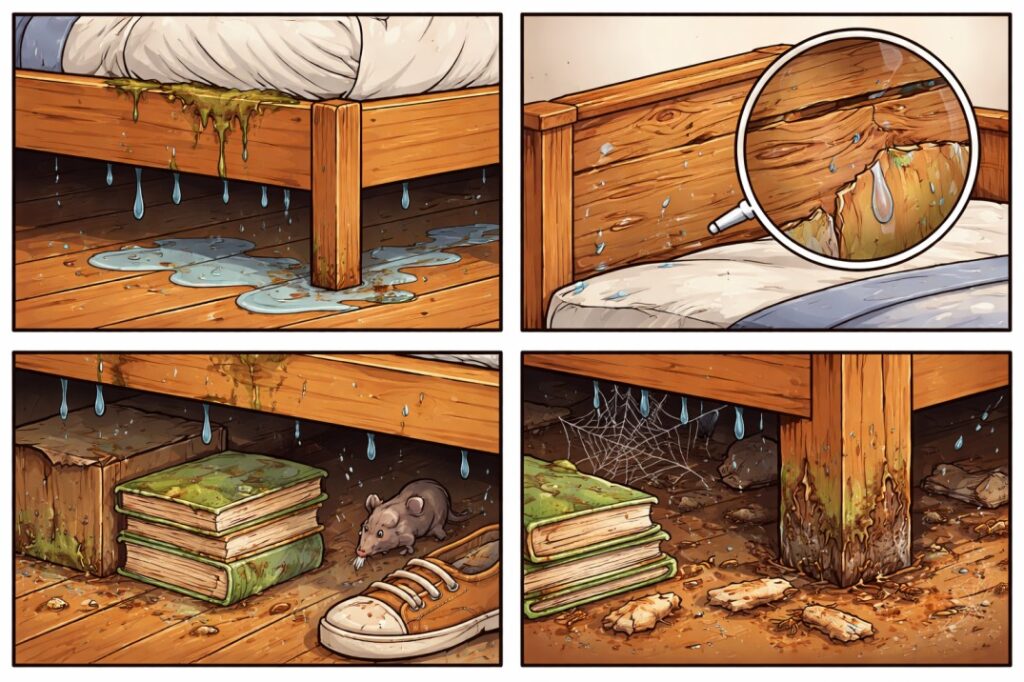
Wooden beds are popular in many Indian homes because they are strong, durable, and give a warm, elegant look to the bedroom. However, wood is naturally sensitive to moisture. When exposed to humidity or damp conditions for long periods, wooden furniture can develop problems such as swelling, mould growth, unpleasant odours, and even structural damage.
Moisture damage becomes especially common during the monsoon season or in homes where ventilation is poor. In some cases, the underside of the bed or storage compartments may trap moisture, leading to fungal growth or weakening of the wood.
Fortunately, preventing moisture damage does not require expensive treatments. By following a few simple maintenance habits and using natural protective methods, you can keep your wooden bed in good condition for many years.
In this guide, you will learn how to protect wooden beds from moisture damage, along with practical tips, natural remedies, and expert advice suitable for Indian households.
Understanding How Moisture Damages Wooden Furniture
Wood is a natural material that absorbs moisture from the surrounding air. When the humidity level is high, wood expands and may lose its strength over time.
Common signs of moisture damage in wooden beds include:
- Swelling or warping of wood
- Musty or damp smell from storage areas
- Appearance of mould or fungus
- Loose joints or weakened structure
- Peeling polish or discoloration
This problem often becomes worse in bedrooms located near bathrooms or in houses with poor airflow.
Maintaining a dry home environment is essential. You may find these tips useful:
Winter Home Care Tips to Avoid Moisture Damage and Dampness
https://caringforyourhome.com/winter-home-care-tips-to-avoid-moisture-damage-and-dampness/
How to Dry Damp Walls at Home During Rainy Season
https://caringforyourhome.com/how-to-dry-damp-walls-at-home-during-rainy-season/
Key Benefits of Protecting Wooden Beds From Moisture
Taking preventive measures offers several advantages.
- Extends the life of wooden furniture
- Prevents mould and fungus growth
- Maintains the appearance of polished wood
- Reduces unpleasant damp smells in the bedroom
- Protects the strength and stability of the bed
Regular maintenance also helps avoid costly repairs or replacements.
Featured Snippet: Quick Tips to Protect Wooden Bed From Moisture
- Keep the bedroom well ventilated.
- Avoid placing the bed directly against damp walls.
- Use moisture absorbers in bed storage compartments.
- Clean and dry the bed regularly.
- Apply protective wood polish occasionally.
- Avoid storing wet items inside bed storage.
These simple steps help prevent moisture damage to wooden furniture.
Practical Ways to Protect Wooden Beds From Moisture
1. Improve Bedroom Ventilation
Proper ventilation helps reduce humidity in the room.
You can improve airflow by:
- Opening windows daily
- Using ceiling fans or exhaust fans
- Allowing sunlight into the room
Fresh air circulation prevents moisture from accumulating around wooden furniture.
2. Avoid Placing the Bed Against Damp Walls
Beds placed directly against damp walls are more likely to absorb moisture.
Maintain a small gap of 2–3 inches between the bed and the wall to allow air circulation.
If your walls develop damp patches, you may find this guide helpful:
How to Protect Home From Mold During Rainy Season Naturally
https://caringforyourhome.com/how-to-protect-home-from-mold-during-rainy-season-naturally/
3. Use Moisture Absorbers in Bed Storage
Many wooden beds in India come with storage compartments. These enclosed spaces can trap moisture easily.
You can place natural moisture absorbers such as:
- Silica gel packets
- Activated charcoal
- Baking soda in small containers
- Camphor blocks
These help keep the storage area dry.
4. Clean the Bed Regularly
Dust and dirt can trap moisture on wooden surfaces.
Use a dry cloth to wipe the bed at least once a week.
Avoid using excessive water while cleaning wooden furniture.
For general furniture care tips, you may read:
Wooden Furniture Care Tips to Prevent Damage and Extend Lifespan
https://caringforyourhome.com/wooden-furniture-care-tips-to-prevent-damage-and-extend-lifespan/
5. Apply Protective Wood Polish
Applying wood polish helps create a protective layer that prevents moisture absorption.
Polish also restores the shine of wooden furniture.
Use polish once every 3–6 months for best results.
6. Avoid Storing Wet Items Inside Bed Storage
Wet clothes, damp blankets, or recently washed bedsheets should never be placed inside bed storage.
Always ensure that items are completely dry before storing them.
This simple habit can prevent mould formation.
7. Use Sunlight to Reduce Moisture
Occasionally allowing sunlight into the room helps reduce humidity.
You can also remove bedding and allow sunlight to reach the mattress and bed frame.
Sunlight naturally reduces moisture and prevents fungal growth.
Maintaining a fresh bedroom environment is important. You may also find this helpful:
How to Remove Smell From Cupboard Naturally at Home
https://caringforyourhome.com/how-to-remove-smell-from-cupboard-naturally-at-home/
Comparison Table: Moisture Protection Methods
| Method | Effectiveness | Cost | Best For |
|---|---|---|---|
| Proper ventilation | High | Free | Humid rooms |
| Moisture absorbers | Medium | Low | Bed storage |
| Wood polish | Medium | Medium | Surface protection |
| Sunlight exposure | High | Free | Preventing mould |
Using multiple methods together provides the best protection.
Real-Life Example from an Indian Home
Neha from Mumbai noticed a musty smell coming from the storage compartment of her wooden bed during the monsoon season. The humidity in the room caused moisture buildup inside the storage area.
She placed a few charcoal packets inside the storage and started opening the compartment weekly for ventilation.
Within a few weeks, the damp smell disappeared and the wooden bed remained in better condition.
Personal Experience:
During the monsoon season in my home, I once noticed a slight damp smell coming from the wooden bed storage area. After placing small charcoal packets inside and improving room ventilation, the moisture problem reduced significantly and the bed stayed dry.
Common Mistakes to Avoid
Placing Bed Against Damp Walls
Direct contact with damp walls increases moisture absorption.
Storing Damp Bedding
Wet bedding can cause mould growth inside bed storage.
Ignoring Small Moisture Signs
Early signs like mild smell or small damp patches should not be ignored.
Using Excess Water for Cleaning
Too much water can damage wooden surfaces.
Expert Tips for Wooden Furniture Protection
Experts recommend a few simple habits.
Keep bedroom humidity under control
Use dehumidifiers or ventilation during humid seasons.
Check bed storage monthly
Inspect for moisture or mould.
Avoid plastic covers
Plastic traps moisture and prevents air circulation.
Use protective mats
Place a mat under the bed if the floor becomes damp.
Pros and Cons of Moisture Protection Methods
| Pros | Cons |
|---|---|
| Prevents wood damage | Requires regular maintenance |
| Extends furniture lifespan | Some solutions need monitoring |
| Reduces mould growth | Moisture absorbers need replacement |
| Improves bedroom hygiene | May require improved ventilation |
Frequently Asked Questions
1. Why does wooden furniture get damaged by moisture?
Wood absorbs moisture from humid air, which can cause swelling, mould growth, and structural damage.
2. How can I prevent moisture in wooden bed storage?
Use moisture absorbers like charcoal or silica gel and ensure proper ventilation.
3. Is sunlight helpful for wooden furniture?
Yes. Sunlight helps reduce moisture and prevents fungal growth.
4. Can damp walls damage wooden beds?
Yes. Beds placed near damp walls may absorb moisture over time.
5. How often should wooden furniture be polished?
Wood polish should ideally be applied every 3–6 months.
6. What causes musty smell in bed storage?
Moisture buildup and poor ventilation usually cause this smell.
Conclusion
Wooden beds add beauty and durability to any bedroom, but they require proper care to protect them from moisture damage. Humidity, damp walls, and poor ventilation can slowly weaken wooden furniture if preventive steps are not taken.
Fortunately, simple habits such as improving ventilation, keeping storage dry, using moisture absorbers, and applying wood polish can effectively protect wooden beds from moisture-related problems.
By following these practical tips, you can maintain the strength, appearance, and hygiene of your wooden furniture for many years while keeping your bedroom environment clean and comfortable.
References
The Spruce – Wooden Furniture Care
https://www.thespruce.com/how-to-care-for-wood-furniture-1900454
Good Housekeeping – Protecting Wood Furniture
https://www.goodhousekeeping.com/home/cleaning/a35472991/how-to-clean-wood-furniture/
Consumer Reports – Furniture Maintenance Tips
https://www.consumerreports.org/home-garden/furniture/how-to-care-for-wood-furniture/
Bob Vila – Preventing Moisture Damage in Wood
https://www.bobvila.com/articles/how-to-protect-wood-from-moisture/
“From what I’ve observed in many households, including my relatives’ homes, small cleaning habits are often overlooked until the problem becomes noticeable. For example, areas like kitchen corners, drains, or storage spaces are usually ignored during regular cleaning routines.”
“However, I’ve seen that simple and consistent cleaning practices—using basic home methods—can prevent buildup, reduce damage, and keep the space well-maintained. In the long run, these small efforts help avoid bigger issues and unnecessary repair costs.”
Research Sources
World Health Organization (WHO)https://www.who.int/publications/i/item/9789289041683
Centers for Disease Control and Prevention (CDC)
https://www.cdc.gov/healthyhomes
United States Environmental Protection Agency (EPA)
https://www.epa.gov/indoor-air-quality-iaq