

Learn how to dry damp walls at home during rainy season using simple, safe methods. Step-by-step guide, common mistakes, FAQs, and real-life Indian experiences.
Introduction
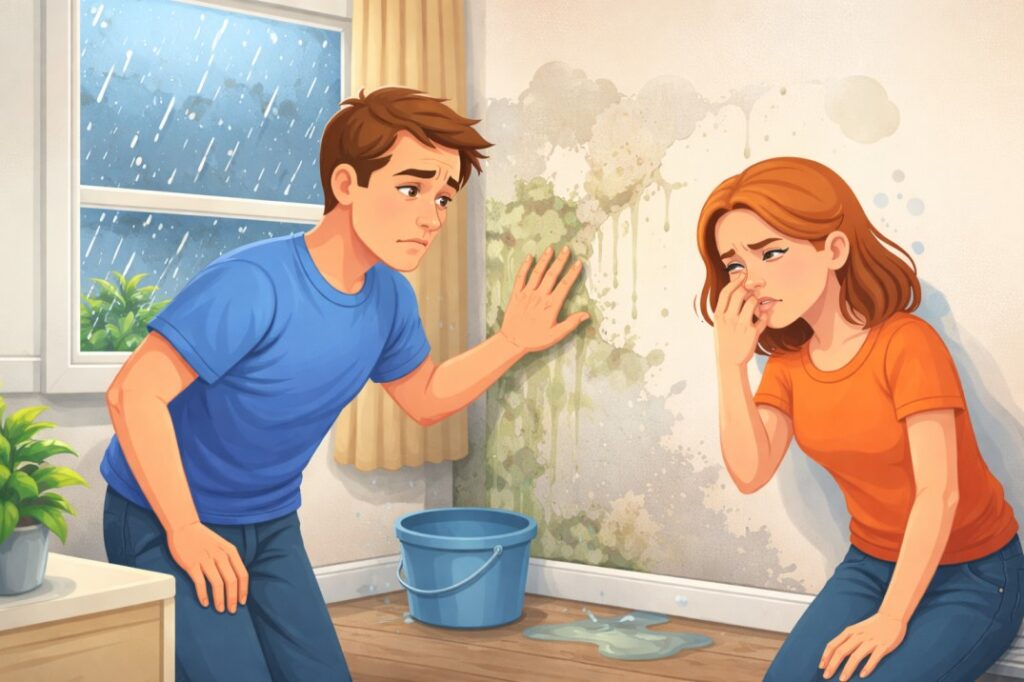
The rainy season brings much-needed relief from heat, but it also introduces a common household problem—damp walls. In many Indian homes, especially those with older construction or poor ventilation, wall dampness becomes visible within weeks of continuous rainfall. Dark patches, peeling paint, and a musty smell are often the first signs.
Kavita Joshi from Dehradun, Uttarakhand, noticed damp patches spreading behind her bedroom cupboard during the monsoon. “At first, I ignored it thinking it would dry on its own,” she said. Instead, the wall started smelling and paint began flaking. Like many homeowners, she wasn’t sure how to handle damp walls safely at home.
Learning how to dry damp walls at home during rainy season helps prevent long-term damage, mould growth, and unhealthy indoor air. This article explains why walls become damp, practical home methods to dry them, and how to stop dampness from returning—using simple steps suitable for Indian weather conditions.
Why Walls Become Damp During Rainy Season
Wall dampness usually occurs when excess moisture enters the structure or remains trapped indoors. Common causes include:
- Continuous rainfall and high humidity
- Water seepage through cracks
- Poor ventilation in rooms
- Wet clothes dried indoors
- Leaking pipes or overhead tanks
Moisture gets absorbed into walls and takes longer to evaporate during monsoon due to lack of sunlight. If left untreated, damp walls can lead to mould growth, paint damage, and unpleasant odour.
If your home faces seasonal moisture issues, these monsoon home care tips to prevent dampness naturally provide a broader preventive approach.
Signs That Your Walls Need Immediate Drying
Look out for these early indicators:
- Dark or yellowish patches
- Peeling or bubbling paint
- Musty or earthy smell
- Cold or sticky wall surface
- Mould spots near corners
Addressing dampness early makes drying easier and prevents permanent damage.
How to Dry Damp Walls at Home During Rainy Season
1. Improve Ventilation Immediately
Ventilation is the most important step.
- Open windows whenever rain stops
- Keep room doors open for airflow
- Use exhaust fans in kitchens and bathrooms
Even limited airflow helps moisture evaporate slowly.
Bathrooms are especially prone to dampness. This bathroom exhaust fan cleaning guide explains how proper airflow reduces moisture buildup.
2. Use a Fan or Heater Strategically
Place a pedestal fan facing the damp wall to increase air circulation. During cooler or very humid days, a room heater can help reduce moisture levels.
Avoid placing heaters too close to walls, as sudden heat may crack paint or plaster.
3. Absorb Moisture Using Natural Methods
You can reduce indoor moisture using simple household items:
- Keep bowls of rock salt or baking soda near damp walls
- Use charcoal pieces to absorb moisture
- Replace absorbents every few days
These methods work well for mild to moderate dampness.
If bad smell develops due to moisture, this cupboard smell removal guide offers similar deodorising techniques.
4. Remove Furniture Away From Damp Walls
Furniture placed close to damp walls blocks airflow.
- Move cupboards and beds 3–4 inches away
- Avoid covering walls with curtains or posters
- Let the wall “breathe”
This step is especially important for wooden furniture. These wooden furniture care tips explain how moisture affects wood over time.
5. Dry Surface Moisture Gently
If walls feel wet to touch:
- Wipe gently with a dry cotton cloth
- Do not scrub or rub hard
- Repeat daily until surface feels dry
Avoid using excessive water or cleaning solutions on damp walls.
6. Check for Water Leakage or Seepage
If dampness keeps returning, inspect:
- External wall cracks
- Window edges
- Plumbing lines
- Roof or terrace above
Drying alone won’t help if the source of moisture continues. In kitchens and bathrooms, plumbing-related moisture is common. This kitchen sink blockage guide explains how unnoticed leaks contribute to damp walls.
What to Avoid While Drying Damp Walls
- Painting over damp patches
- Using strong chemicals
- Covering walls with plastic sheets
- Ignoring musty smell
- Blocking ventilation
These actions often worsen the problem or trap moisture inside walls.
Do vs Avoid Table
| Do | Avoid |
|---|---|
| Increase airflow | Seal damp walls |
| Use fans gently | Use direct high heat |
| Absorb moisture | Ignore early signs |
| Move furniture | Keep walls covered |
Real-Life Indian Household Experiences
Manoj Patil – Kolhapur, Maharashtra
Manoj lives in a ground-floor flat that faces heavy monsoon rains every year. Damp patches appeared behind his sofa and near electrical points. Instead of repainting, he improved ventilation, moved furniture, and used fans daily. “It took two weeks, but the walls dried without any damage,” he said.
Shalini Verma – Siliguri, West Bengal
Shalini noticed mould spots forming on her bedroom wall during continuous rainfall. She realised drying clothes indoors was worsening the problem. By shifting clothes drying outdoors when possible and using moisture absorbers indoors, she managed to control dampness. “Small changes made a big difference,” she explained.
How to Prevent Damp Walls During Rainy Season
- Repair wall cracks before monsoon
- Ensure proper drainage outside
- Avoid drying clothes indoors
- Use exhaust fans regularly
- Keep rooms clutter-free
If dampness leads to mould growth, this mold removal from bathroom walls guide explains safe next steps.
FAQs
1. How long does it take to dry damp walls naturally?
Mild dampness may dry in a few days; deeper moisture can take weeks.
2. Can sunlight dry damp walls?
Yes, indirect sunlight helps, but monsoon clouds often limit exposure.
3. Is painting a solution for damp walls?
No. Painting without drying traps moisture and worsens damage.
4. Can salt really absorb moisture?
Yes, rock salt absorbs humidity from the air effectively.
5. When should professional help be considered?
If dampness is due to structural seepage or persistent leaks.
Simple Checklist
- ✔ Improve ventilation
- ✔ Use fan or heater carefully
- ✔ Absorb moisture naturally
- ✔ Move furniture away
- ✔ Identify moisture source
Summary
Wall dampness during monsoon is a common issue in Indian homes, but it can be managed with timely action. Using simple methods like ventilation, moisture absorption, and careful drying helps dry damp walls at home during rainy season without causing further damage.
Regular monitoring, small preventive steps, and attention to moisture sources protect your walls, furniture, and indoor air quality—making the rainy season more comfortable and healthier for your home.
“From what I’ve observed in many households, including my relatives’ homes, small cleaning habits are often overlooked until the problem becomes noticeable. For example, areas like kitchen corners, drains, or storage spaces are usually ignored during regular cleaning routines.”
“However, I’ve seen that simple and consistent cleaning practices—using basic home methods—can prevent buildup, reduce damage, and keep the space well-maintained. In the long run, these small efforts help avoid bigger issues and unnecessary repair costs.”
Research Sources
World Health Organization (WHO)https://www.who.int/publications/i/item/9789289041683
Centers for Disease Control and Prevention (CDC)
https://www.cdc.gov/healthyhomes
United States Environmental Protection Agency (EPA)
https://www.epa.gov/indoor-air-quality-iaq